
Expert Hip Surgery in Perth
Advanced hip arthroplasty using cutting-edge technology.
Hip Replacement Surgery
Hip replacement via anterior approach.
Comprehensive pre-operative assessments for patients.
Post-operative care ensuring optimal recovery.
Patient Education
Consultation Services
Expert Hip Surgery in Perth
A/Prof Raj Gunaratne is dedicated to providing hip arthroplasty solutions using technology, ensuring optimal recovery and enhanced quality of life for our patients.


Anterior Approach Hip Replacement Surgery
Expert orthopaedic surgeon in Perth specializing in hip arthroplasty using technology every step of the way
Hip Arthroplasty Services
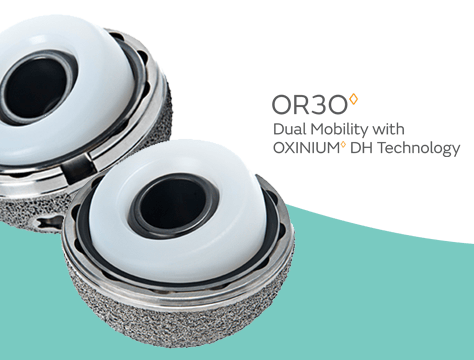
Offering state-of-the-art hip replacement solutions tailored to your individual needs.
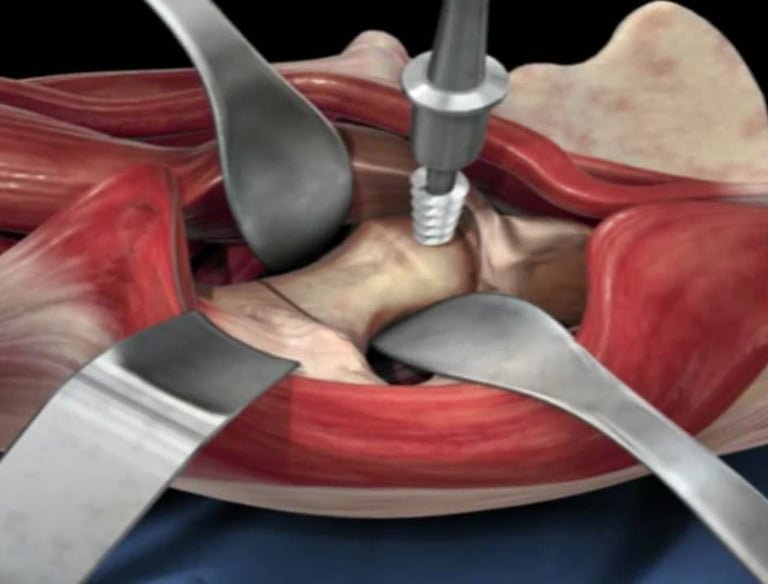


Anterior approach Option
Utilising less invasive approaches for quicker recovery and less postoperative pain.
Comprehensive pre-operative assessments to ensure optimal surgical outcomes and patient safety.
Personalized Care Approach
Keeping you Informed
The anterior approach hip replacement is a muscle-sparing technique designed to support early recovery and excellent long-term outcomes. Most patients return to an active, pain-free lifestyle.
What is a hip replacement?
A hip replacement is an operation where the damaged parts of the hip joint are removed and replaced with artificial components. It is commonly performed for hip arthritis, which causes pain, stiffness, and reduced mobility


What is the anterior approach?
The anterior approach is a modern technique where the hip replacement is performed through the front of the hip.
This approach:
Works between muscles rather than cutting them
Preserves muscle and soft tissue
Aims to allow faster early recovery
While outcomes depend on each patient, potential advantages may include:
Less muscle damage
Reduced pain after surgery
Earlier mobilisation
Faster return to normal activities
Lower risk of hip dislocation
No routine hip precautions in many patients
Not all patients are suitable for this approach — this will be discussed during your consultation.
Potential benefits of anterior approach?


What happens before surgery?
Before surgery you will:
Have a medical assessment by a physician to medically optimise you before surgery
Have an assessment by the anaesthesist
Undergo blood tests and special imaging to plan your surgery
Receive education about the operation and recovery
Be advised about medications to stop or continue
Be given instructions for the day of surgery
What happens on the day of surgery?
Fasting solid foods for at least 6 hours before surgery but can often drink clear liquids (water, clear juice, black coffee/tea) up to 2 hours prior.
You will be admitted on the day of surgery
The procedure is performed under general or spinal anaesthetic
Surgery usually takes 1–2 hours
You will be encouraged to stand and walk on the same day or the following day
Contact the clinic if you experience:
Increasing pain or swelling
Redness or discharge from the wound
Fever
Sudden worsening of hip pain
Calf pain or shortness of breath
When to seek medical advice?
After Surgery - What to Expect
Pain Control
Modern pain management techniques are used
Most patients experience manageable discomfort rather than severe pain
Mobilisation
Walking usually begins on the day of surgery or the next day
Physiotherapists will guide you through safe movements
Although most patients will quickly be able to mobilise without the use of aids. Dr Gunaratne would like you to use mobility aids until 6 weeks postoperative.
Hospital Stay
Many patients go home within 1–3 days
Some patients may be suitable for same-day or next-day discharge
Activity
Gentle walking is encouraged - Dr Gunaratne would like to limit you to 1500 steps a day for the first 6 weeks to let inflammation settle
No active hip flexion exercises for 6 weeks - this again is to let the inflammation at the front of your hip settle.
Most daily activities can be resumed after 6 weeks
Driving
Usually possible at 4-6 weeks, depending on comfort and strength
Work
Office work: 2–4 weeks
Manual work: 12 weeks
Hip Precautions
With the anterior approach:
Traditional hip precautions are often not required
You may move your hip normally within comfort
Risks and Complications
All surgery carries risks. Some of these include:
Infection
Blood clots
Leg length difference
Nerve injury (rare)
Dislocation (low risk with anterior approach)
Ongoing pain or stiffness
Long-Term Outcomes
Hip replacement is one of the most successful operations in medicine.
Most patients experience significant pain relief
Improved mobility and quality of life
Modern hip replacements can last over 20 years